
Why Investment Funds Are Buying Costa Rica's Luxury Coastal Land
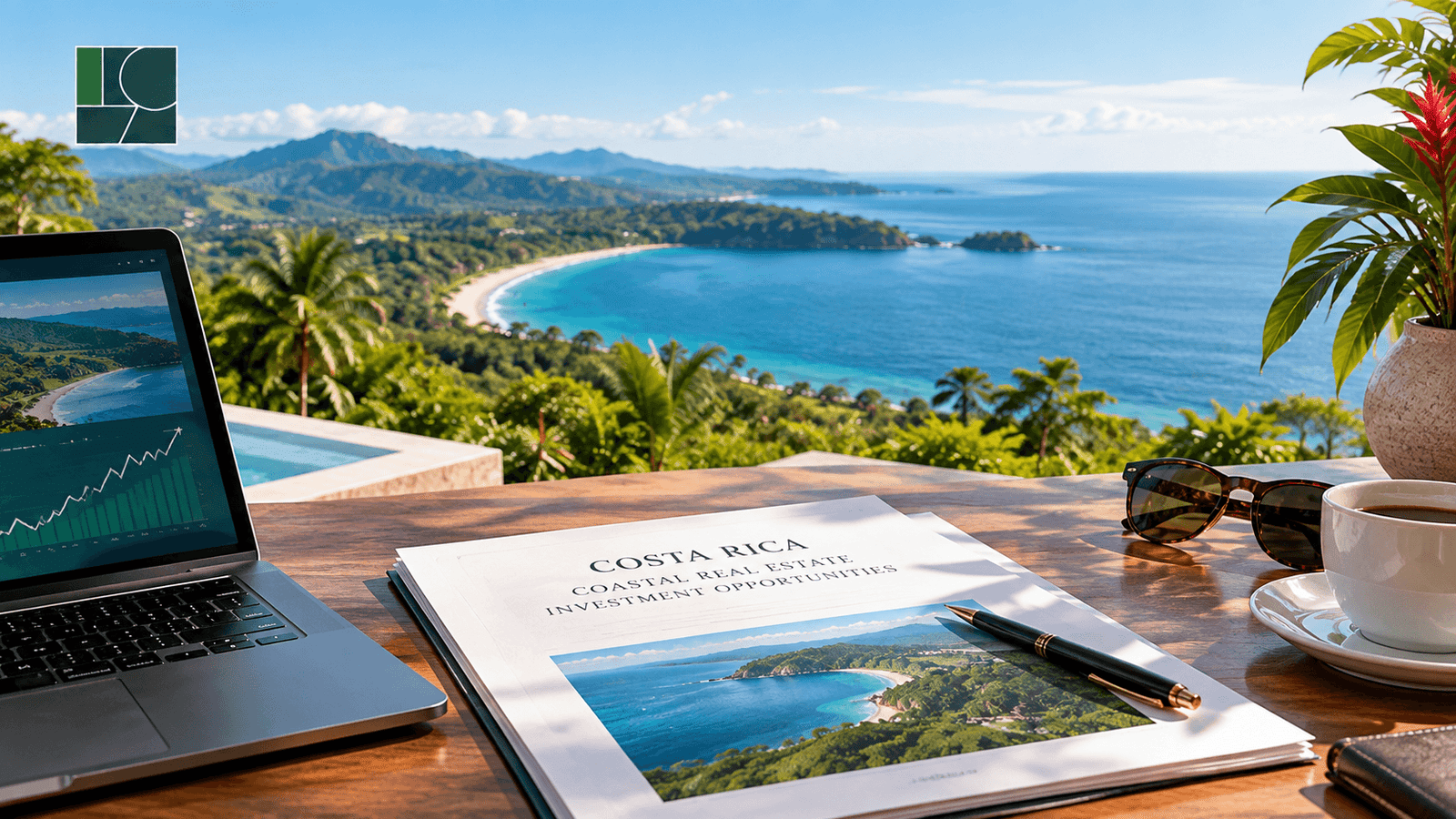
"Costa Rica has been focusing on attracting retirees and tourists for many years. However, it is now also drawing a different group of buyers: investment funds, family offices, and institutional investors searching for long-term land investments on some of the country’s remaining untouched coastlines."
Costa Rica has been focusing on attracting retirees and tourists for many years. However, it is now also drawing a different group of buyers: investment funds, family offices, and institutional investors searching for long-term land investments on some of the country’s remaining untouched coastlines.
One clear example of this trend is the $1 billion Marina Tambor development on the Nicoya Peninsula. This project is supported by an investment group from the Gulf region, Burkhan World Investment, along with a Costa Rican developer, Stone Alliance. This development is a strong sign of where institutional capital is heading.
Here's an overview of what is driving this trend and what institutional investors are truly looking for.
The Big Picture: Real Estate's Growing Role in Costa Rica's Foreign Investment
In 2024, Costa Rica received a total of approximately $4.32 billion in foreign direct investment, one of the highest amounts in the country's history. Tourism alone accounted for about 14% of this, or around $600 million, while real estate investment made up nearly 7% — a percentage that has been increasing as the country's image shifts from a purely tourist destination to a more sustainable, long-term investment opportunity linked to wellness and remote living trends.
What Institutional Investors Are Actually Seeking
Investment funds approach land in Costa Rica differently than individuals looking to buy a property for lifestyle purposes. Their criteria are usually consistent:
- Political and Legal Stability: Costa Rica’s property rights, foreign ownership laws, and environmental protections have generally remained stable over time. This stability is crucial for funds that plan to hold assets for a decade or more, compared to someone buying a vacation home.
- Verifiable ESG Credentials: Investors from Europe and North America, in particular, often require environmental, social, and governance credentials before investing. Costa Rica’s reputation for having over 25% of its land under environmental protection and near-total renewable energy use supports this.
- Clear, Titled Ownership: Funds prefer land with a clear and registered title. This is important because titled land is easier to finance, structure, and eventually sell.
- Currency and Economic Stability: The exchange rate between the US dollar and the Costa Rican colón has remained stable leading up to 2026, which is important for foreign funds calculating long-term returns in US dollars.
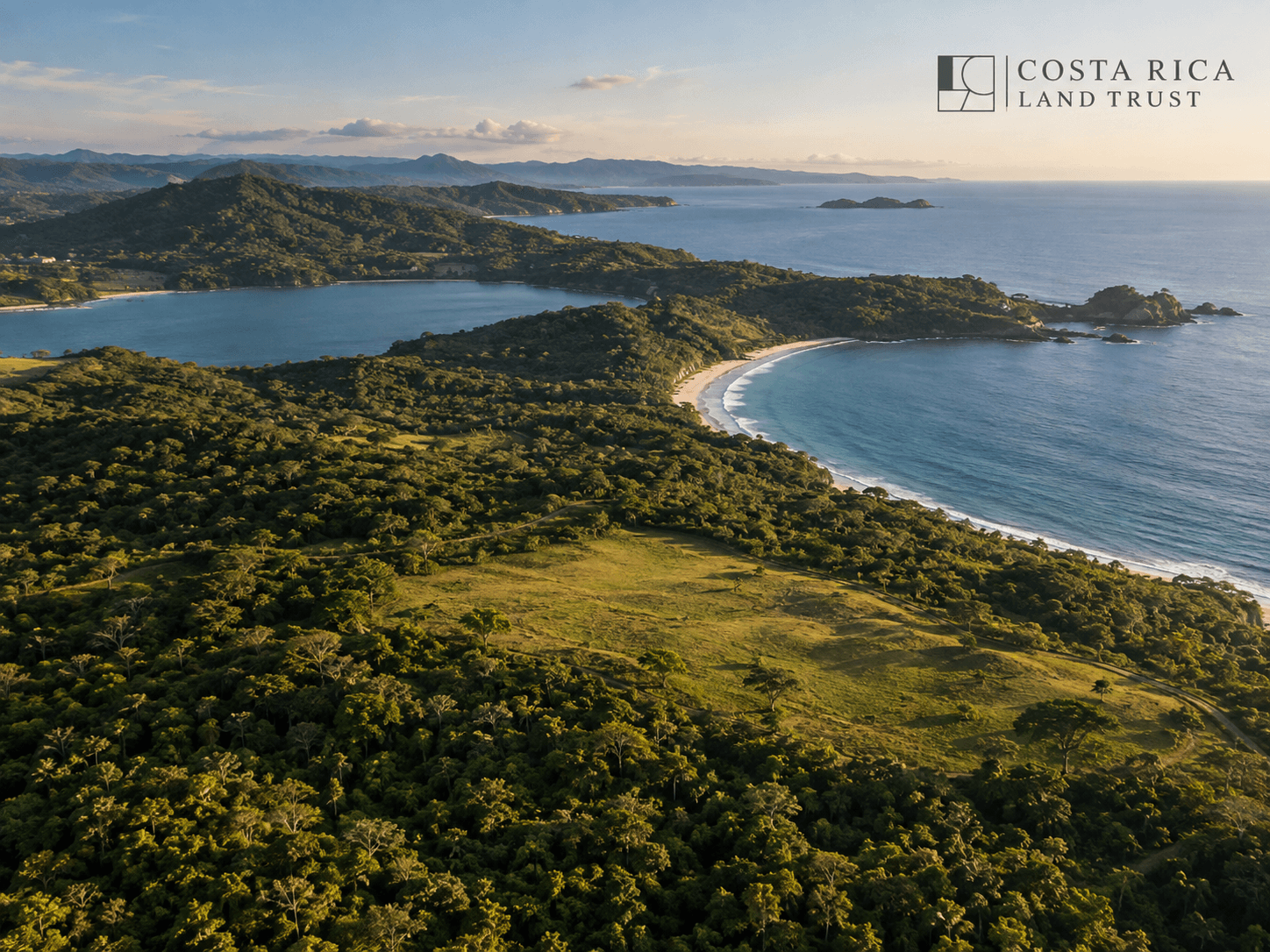
Evaluating a development-scale land acquisition in Costa Rica?
Contact our team for access to our institutional-grade, titled land portfolio.
Case Study: Marina Tambor and the Gulf Capital Movement
Marina Tambor is a practical example of how fund-level capital operates. The project, a $1 billion, 360-hectare mixed-use master plan on 4.5 kilometers of coastline, combines investment from the Gulf Cooperation Council with local Costa Rican building expertise and government-level support via CINDE, the country’s investment promotion agency. This mix of foreign investment, local execution, and institutional backing is exactly the model other funds are watching as they consider their own projects on the Nicoya Peninsula and along the broader Pacific coast.
Why Land Specifically — And Not Just Developed Properties
Raw, undeveloped coastal land offers funds something that a completed property cannot: flexibility. A well-located, titled parcel can be planned, developed, or adjusted as market conditions change. This is appealing to investors with a long-term outlook and their own development capabilities.
That said, having a clear strategy is important. Undeveloped land doesn’t generate rental income like a well-managed coastal property does. Currently, well-managed rentals in Guanacaste produce net yields between 5% and 8%, while raw land is more about appreciation and positioning than cash flow. Successful institutional investors in Costa Rica typically have a clear development plan and the resources to execute it, rather than treating land as a passive investment.
Risk Considerations for Institutional Buyers
Before investing significant capital, experienced buyers conduct the same due diligence process that informed individual investors should follow, but on a larger scale:
- Verifying the legal ownership and property boundaries (plano catastrado) against the 200-meter Maritime Zone
- Checking water rights and availability, which is a real challenge for large coastal projects in parts of Guanacaste
- Examining the municipal land-use plan (plan regulador) for the property and the surrounding area
- Evaluating environmental permits needed before finalizing a development plan
The Bottom Line
Costa Rica is still in the early phase of transitioning from a market focused on retirees and tourists to one that attracts institutional real estate investment — and this is precisely what makes the current opportunity appealing. Investors who act now, purchasing land with clear titles in strategic locations, are positioning themselves ahead of a growing influx of investment and infrastructure that is just beginning to develop.
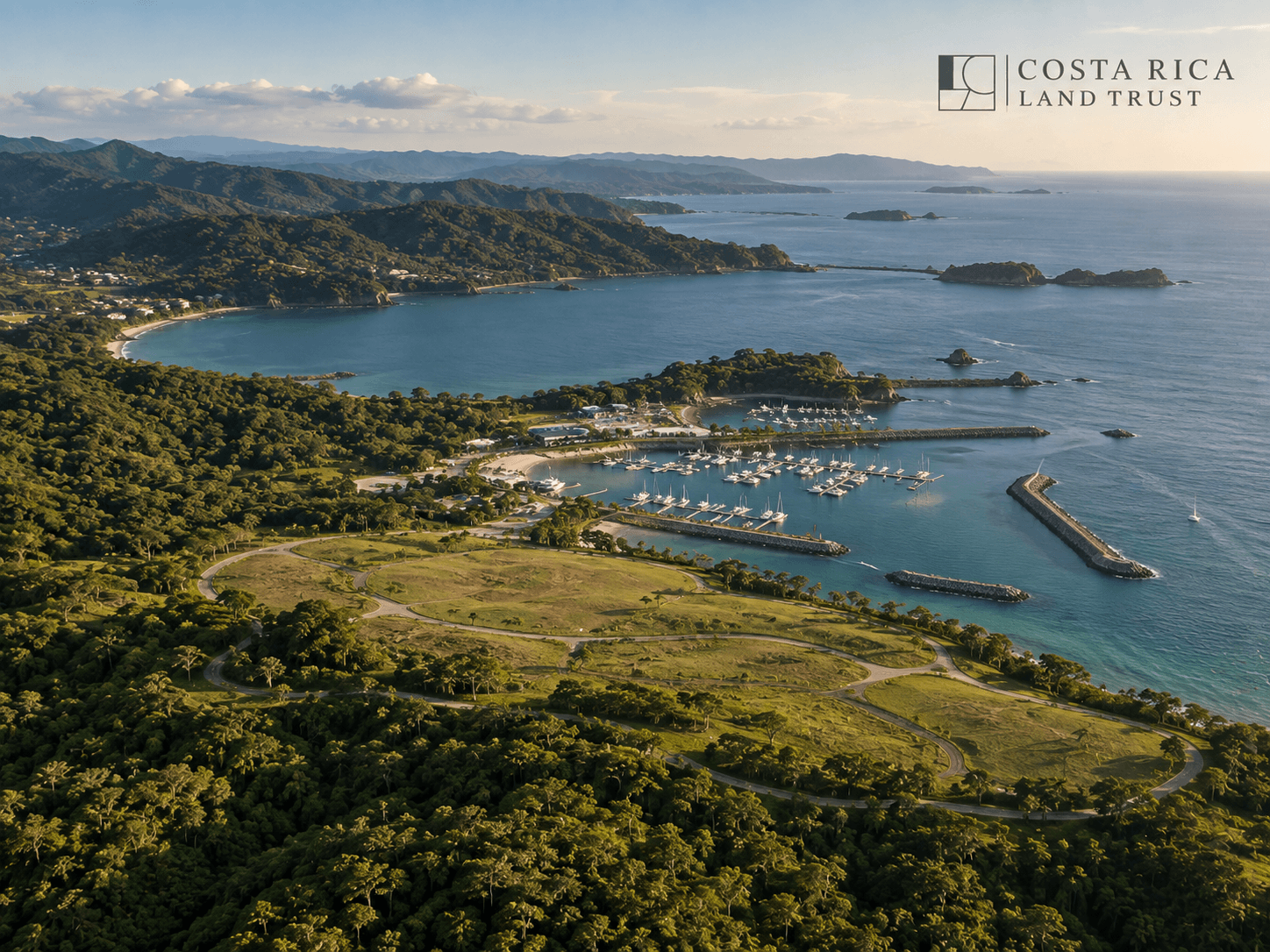
Access Our Institutional Portfolio
Contact our senior team today for direct access to institutional-grade, fully titled land parcels across prime coastal regions.
Contact Our TeamFrequently Asked Questions
No. There is no residency or visa requirement for a foreign fund, company, or individual to purchase titled real estate in Costa Rica. Residency only becomes relevant for concession property in the Maritime Zone, which requires the holder to have at least five years of Costa Rican residency.
Real estate investment represented close to 7% of Costa Rica's total FDI of approximately USD $4.32 billion in 2024, alongside tourism at roughly 14% — a combined share that has been steadily growing.
It can be, but land itself does not generate income the way a managed rental property does. It functions as a positioning and appreciation play, and works best for buyers with a specific development thesis and the capital to execute it.
Title and water-rights verification are the two most common pitfalls. Confirming a parcel is fully titled (not concession), correctly surveyed relative to the Maritime Zone, and has confirmed water availability are essential steps before any large-scale acquisition.